A Violet In Youth: Where Friendship Becomes Frequency
From within the contrasts of Los Angeles comes A Violet In Youth, a five-piece band whose music is shaped less by industry expectation than by instinct

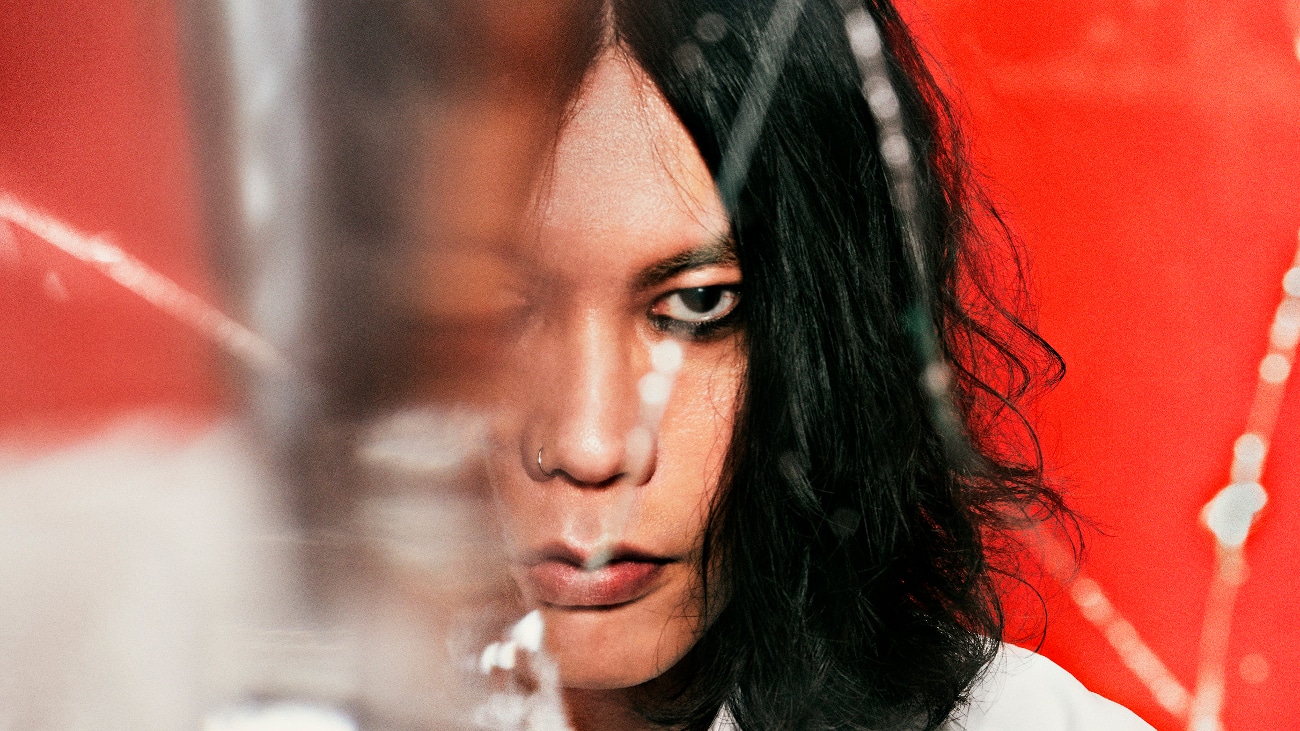
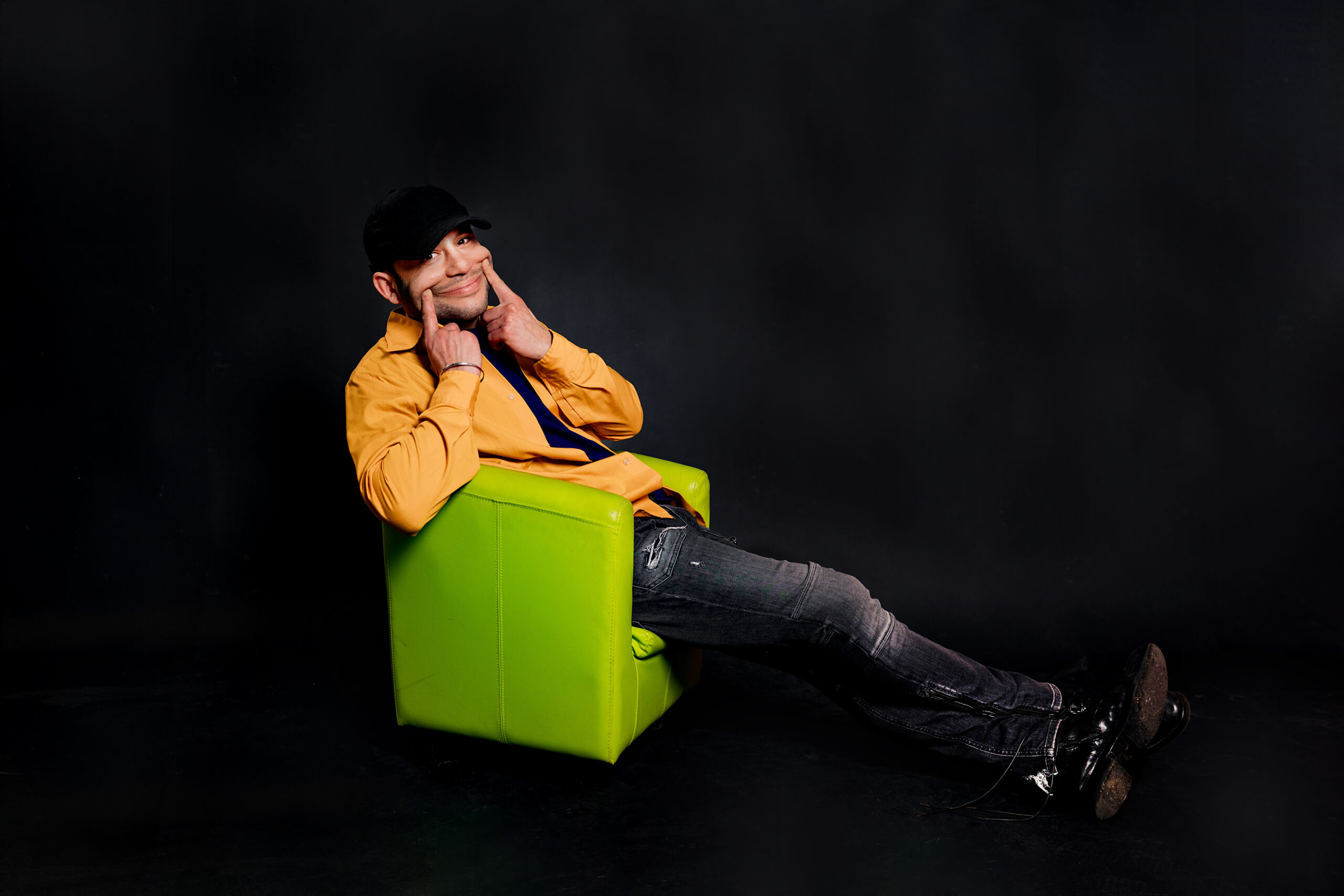
Photo by Cassandra Inamori
Los Angeles has long existed as a city of contrasts, a place where reflective glass rises beside hills and concrete, and ambition coexists with quiet persistence. From within that tension comes A Violet In Youth, a five-piece band whose music is shaped less by industry expectation than by instinct, proximity, and collaboration. Their sound develops through layering and subtraction. At its center is a shared dynamic between Daniella Lollie (guitar, songwriter), Lisa Yan (synths, piano), Amanda Erwin (drums), Kelly Kuhn (bass), and Garrett Zeile (guitar).
For Lollie, songwriting often begins outside formal structure. She describes noticing what she calls “little ghosts,” unintended tones that emerge between effects, harmonics, and silence. She follows these moments until melodies take shape. The process, she explains, resembles sculpting: form is gradually revealed through attention, patience, and restraint.
That approach is evident in Sherbertland, where light melodic figures coexist with subtle harmonic shifts. Lollie notes that these moments rarely originate from deliberate theoretical planning, instead emerging through experimentation and repetition. Once identified, the band reinforces them collectively.
Density as Arrangement
One of the band’s guiding ideas is “density,” though not in the sense of accumulation. For A Violet In Youth, density refers to how multiple melodic ideas can coexist, even within sparse arrangements. Songs are built through parallel movement, with different parts unfolding simultaneously.
Lollie points to the outro of Desert Roll as a clear example. As the arrangement softens, piano and bass shift independently while the guitar introduces a separate melodic figure. When the piano transitions to synth, the bass remains consistent as surrounding elements evolve again.
This approach allows the band to move between restraint and intensity without relying on familiar rock conventions.
Environment and Influence of A Violet In Youth
Like many artists formed in Los Angeles, A Violet In Youth draws significantly from their physical environment. The light and geography of Altadena informed the emotional palette of Growing Out and Sherbertland. Lollie recalls the way sunsets frame mountains, trees, and distant cityscapes from a single vantage point, creating a sense of contrast that quietly informs the band’s visual and sonic language.
Elsewhere, motion itself becomes influential. Desert Roll reflects the sensation of long drives across the city, music playing loudly while moving between neighborhoods, venues, and open highways.
Everyday scenes also register as reference points. Twilight along Metro train tracks, shifting sky colors, murals, graffiti, and ambient noise appear as recurring images. For Lollie, these moments parallel how the guitar feels in her hands: familiar, layered, and charged with subtle tension.
Pop Language, Reframed
The band’s influences are broad but selectively absorbed. Desert Roll draws from the directness of contemporary pop vocal delivery. Elsewhere, Sherbertland carries a structural influence from Fleetwood Mac’s Gold Dust Woman, particularly in its rhythmic pull and melodic phrasing.
These references are not replicated outright. Instead, they are filtered through the band’s inclination toward dissonance and textural contrast. Lollie cites listening habits that range from Nine Inch Nails and Radiohead to Justin Bieber and Taylor Swift, noting that this range allows pop elements to surface without displacing the band’s experimental foundation.
Collaboration and Method of A Violet In Youth
With five members, collaboration could easily become unwieldy, but the band emphasizes openness and flexibility. Accidental moments and unintended outcomes are treated as part of the process, creating space for experimentation without pressure. Lollie speaks openly about being influenced by her bandmates’ playing, particularly in live settings where arrangements continue to evolve.
She highlights Kuhn’s bass work on Sherbertland as an example of how live interpretation can extend beyond recorded versions. Drummer Amanda Erwin’s role in shaping Exactly involved repeated revisions as rhythmic ideas shifted alongside changes in song structure. Lisa Yan’s contributions on keys are central to the band’s texture, drawing from classical training while remaining rooted in contemporary independent music.
Beyond musicianship, the band is connected through shared history, including the memory of Lollie’s late father, who supported the project early on. That influence, she says, continues to inform the emotional undercurrent of the music.
Form as Movement
The band’s approach is perhaps most clearly articulated in Green, a ten-minute composition that avoids repetition. While its harmonic foundation remains consistent, nearly every other element changes over time, with bass lines, rhythms, melodies, and dynamics continually reconfigured.
That complexity extends into rehearsal and performance. What initially appears straightforward often reveals itself to be demanding, requiring sustained focus from every member. Lollie describes the process as one of collective endurance.
At the core of most songs is an initial idea that remains emotionally central. Lollie often returns to a single part repeatedly over long periods. Silence plays an equally important role. Space is left intentionally, allowing tones to decay and interact.